Why you're so tired in midlife and how to reclaim your energy

You’ve cancelled plans with a friend because you just don’t have the energy to be sociable. It’s the end of a busy week of work, family responsibilities, and a never-ending list of household chores.
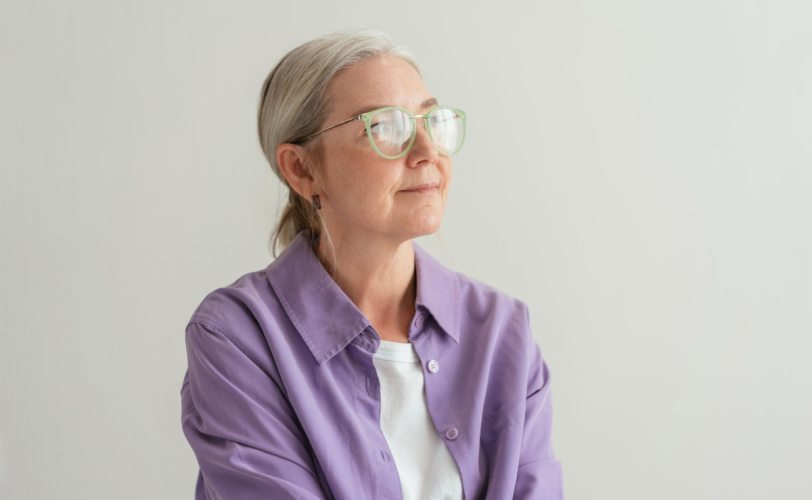
You just want to flop down on the sofa in front of the TV with a glass of wine. Dressing up and heading out to meet a friend sounds lovely, but it’s just not your reality right now.
Does this sound like you?
This is not a failure on your part. It has much more to do with your circumstances and what’s happening in your body in midlife.
Why you’re so tired
Many midlife women are carrying the emotional, mental and practical load of caregiving to two generations at the same time. Known as the 'sandwich generation', many are looking after their children and ageing parents. Add in running the house, managing relationships and work, and you're left with little time for yourself.
Meanwhile, your body is changing. Perimenopause and menopause bring fluctuating hormones, which can impact your sleep, mood and energy levels. A recent study published in Menopause evaluated the impact of sleep disturbance on health-related quality of life and mental wellbeing in around 50,000 women during perimenopause and post menopause. The survey study found that poor sleep was linked to worse quality of life and higher levels of depression and anxiety, even in women without hot flushes.
It’s important to see your doctor if low mood or fatigue is persistent or severe. Support and treatment are available.
If you’ve been waking in the middle of the night and struggling with your sleep, it’s no wonder everything feels much harder by day. The good news is that, although you can’t remove every demand, you can change how you respond to them. Here are three places where you can start taking a bit more control.
Start with self-compassion
Research shows that people who are kinder to themselves tend to report greater wellbeing and that self-compassion practises can reduce stress, anxiety and depression. Instead of criticising yourself for not getting everything done, remind yourself that you are dealing with a lot right now and you are doing your best.
Learn to set boundaries
Tiredness, irritability and resentment are not character flaws. They are signals that your energy is being stretched too far. Pushing through stress and tiredness for prolonged periods of time can contribute to low mood and burnout.
Next time you notice any of these, pause and check in with yourself: “Do I need some rest? or “Am I feeling annoyed with someone who is expecting too much of me right now?”
Many people find setting boundaries a bit tricky, especially with loved ones. But expressing your needs clearly is an act of self-care and often improves your relationships and self-esteem. It’s a skill that gets easier with practise.
Start with something simple: try saying “Let me get back to you later” before automatically saying yes. Boundaries aren’t selfish. You can set them kindly and still be clear.
Reconnect with your purpose
Once you’ve made a little room, you can think about what to put into it. Studies link a strong sense of purpose with better health and longer lifespan.
Feeling in control of your life starts with your choices. When you’re more mindful and intentional about what you choose, you empower yourself to move in the direction you want. That might be making better choices around what you consume, who you spend time with or doing more of what you enjoy.
Having purpose gets you up in the morning, and energises you to move through your day and engage with life. It doesn’t have to be something extraordinary. It’s simply what gives your life meaning, and that is personal to you. Whether it’s taking your dog for a walk, taking time to cook a meal and sharing it with family or being a source of wisdom or comfort to someone, choose mindfully.
Try this
Reflect on your values
Take your journal and write about what and who you give your energy to. Is this what you want? Choosing what matters to you helps you let go of what doesn’t.
Set one small goal for yourself
For example, you want to carve out 30 mins for yourself to enjoy a cup of tea without distractions each morning. Give it a kind, encouraging message, like, “I deserve to start my day calmly.”
Know your why
Keep this at the forefront of your mind. For example: “I want to go to the gym on Monday evenings because it will make me feel better.”
Bring others in
Ask for help if you need it or share your goal so that you feel less alone.
Notice and celebrate your progress
Practise gratitude for what’s going well and reward yourself along the way.
Have compassion for yourself when you slip
You can try again tomorrow.
Small steps, repeated, build habits. Over time, your mind will align with what you want.
Remind yourself that looking after your own needs isn’t selfish. When you take care of yourself, you have more to give to the people you love. And you matter too.
Coaching can give you a safe space to explore your life and yourself as it is now. It supports you to find clarity about what you want next, and to build the confidence to take the steps to get there.
References
Soares et al. (2026), Menopause – sleep disturbance and wellbeing during menopause.
Zessin et al. (2015) – self-compassion and wellbeing.
Ferrari et al. (2019) – self-compassion and mental health.
Cohen et al. (2016), Psychosomatic Medicine – purpose in life and longevity.

Find the right business or life coach for you
All coaches are verified professionals