Coaching and the modern man: Rethinking strength

November brings two powerful moments to reflect on men's wellbeing - Movember and International Men’s Day. Whether you're a man yourself or someone who cares about the men in your life, these campaigns shine a light on the importance of mental health, purpose, and personal growth and provide an opportunity for reflection on what it means to be a man today. It’s not just about moustaches or awareness campaigns; it’s about real conversations around mental health, purpose, and growth.
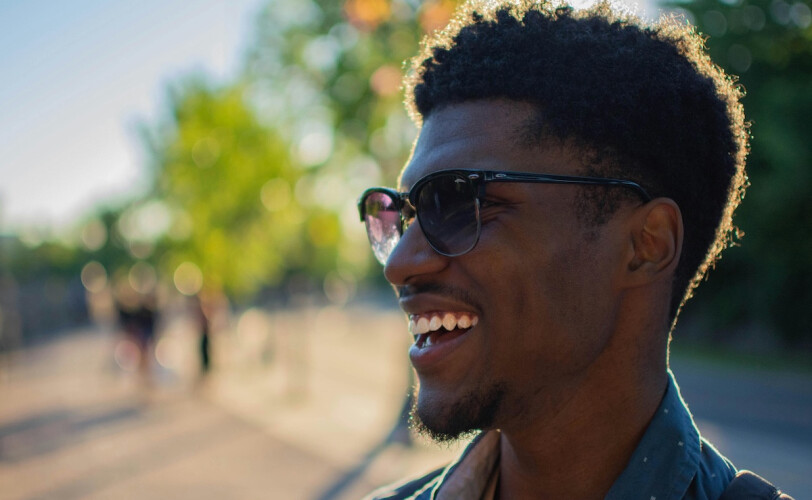
For too long, personal development has been seen as something men shy away from, but that’s starting to change. Coaching offers a space to build strength from the inside out; not by fixing people, but by helping them unlock what’s already there.
This month is a great time to challenge the myths, step into something new, and show that growth isn’t weakness - it’s a sign of self-awareness, resilience, and real strength.
Let’s cut to the chase
Let’s be honest - when you hear the word “coaching", what comes to mind?
For a lot of men, it’s something like: “Isn’t that therapy in disguise?” or “I’m not broken, I don’t need help.” Or maybe even “What would people think if they knew I was seeing a coach?”
And yet, we’ll happily watch footballers get coached every day of the week. We’ll listen to podcasts by high performers, read books by elite athletes, and admire managers like Sir Alex Ferguson or Pep Guardiola – men who’ve built greatness by being coached and coaching others.
So why does it feel different when it’s about “us”?
Why some men hold back
There’s a cultural script many of us grew up with: be strong, be silent, be self-reliant. Vulnerability? That’s a weakness. Asking for support? That’s not what “real men” do.
But here’s the truth: that script is outdated. And it’s costing us.
Men are more likely to suffer in silence. More likely to avoid seeking help. More likely to feel isolated. And yet, when men do engage in coaching, the benefits are huge: increased confidence, better decision-making, stronger relationships, and improved well-being.
Coaching helps men perform better, not because they’re struggling, but because they’re ready to level up.
But here’s the thing - coaching is already around us. We just don’t always call it that or even recognise it.
Where can you see coaching in action already?
Indulge me for a moment - I want to share where I see coaching show up most clearly in my own life. I’m thinking about sport – more specifically, football. I love it. And guess what? Every great footballer has a coach. From Cristiano Ronaldo under Sir Alex Ferguson to Lionel Messi under Pep Guardiola, coaching is what helped them become legends.
Marcus Rashford has recently talked openly about working with mental performance coaches to help him manage pressure and stay focused. His off-pitch activism and maturity are often credited to his personal development work. He’s shown that mindset coaching can help athletes become leaders beyond sport. And now he’s firing on all cylinders at one of the biggest football clubs in the world.
Coaching isn’t about being weak. It’s about being smart. It’s about having someone in your corner who helps you see blind spots, challenge your thinking, and push you toward your goals.
And it’s not just for elite athletes. It’s for dads, managers, tradesmen, creatives, leaders; anyone who wants to grow.
What coaching can do for you
Studies show that coaching can lead to real, measurable improvements; not just in how people perform at work, but in how they feel, think, and lead. It can boost productivity, build confidence, help manage stress, and strengthen communication and leadership skills.
But it’s not about lying on a couch and digging into your childhood. It’s about setting goals, getting clear, and moving forward.
Coaching has been described as “like having a personal trainer for your mindset.” One coaching client who has recently had coaching with me said, “coaching has helped me clarify my thinking, validate my ideas, and feel more confident in exploring what I truly want, both in and out of work.” That’s the kind of shift coaching can create – practical, powerful, and personal.
A new kind of strength
There’s a quiet revolution happening. More men are starting to realise that strength isn’t about going it alone. It’s about knowing when to lean in, when to reflect, and when to grow.
Coaching offers a space to do that - without judgement, without pressure, and without needing to “fix” anything. It’s not about being less of a man. It’s about being more of the man you want to be. So, if you’ve ever thought, “Maybe coaching could help me…” - it probably can. And if you’ve never thought that – maybe now’s the time to start.
The coaching gap
In many workplaces, coaching is offered as a way to grow, develop, and reflect. But here’s the thing: the uptake among men is low. Really low. In fact, across the coaching industry, around 75% of clients are women. That’s not because coaching is “for women” - it’s because many men haven’t yet seen how coaching can fit into their lives.
Now, just to be clear - this isn’t about saying coaching is only for men, or only for those who relate to football analogies. Coaching is for everyone who wants to grow, reflect, and develop; in work, in life, or both.
Women have been leading the way in taking up coaching, and that’s brilliant. But we’ve noticed that men are underrepresented in client numbers, and we want to make sure they know this space is for them, too.
Coaching isn’t exclusive. It’s open, welcoming, and here for anyone ready to take that next step.
Intrigued? Okay - so what actually happens in a coaching session?
A coaching session is a focused conversation where you get space to talk things through, without judgment or pressure.
You’ll be asked questions that help you look at things from different angles; sometimes ones you’ve never considered before. It’s not about getting advice or being told what to do; it’s about helping you pull the answers out for yourself.
You might come in with a goal, a challenge, or just a feeling that something needs to shift. This will be worked through together with the coach, and often, clarity comes from simply having the space and the right questions.
Once you start, you’ll realise it’s not scary at all scary although it is understandable it might feel that way at first. It’s the same as anything new; it can take a bit of courage to step in, but once you do, it’s just a conversation. One that’s focused on you.
But let’s not forget, coaching isn’t everything - and that’s okay
So, now we know that coaching isn’t therapy. It’s not counselling. It’s not about fixing you. It’s about growing you, in your career, your relationships, your confidence, your leadership, your life.
And just to say - while coaching can be a brilliant tool for growth, reflection, and development, there are times when counselling, therapy, or other types of support or intervention might be the right kind of support. And that’s totally okay.
There’s nothing to be ashamed of in reaching out for help. Talking to someone, whether it’s a coach, a counsellor, or a mate, can make all the difference. It’s not a sign of weakness. It’s a sign that you’re human. There are some fantastic services out there, such as Andy’s Man Club, whose aim is to end the stigma surrounding men’s mental health and help men through the power of conversation.
One of the most powerful mental health campaigns seen recently came from Norwich City Football Club. They recognised that mental wellbeing support is often low on the radar for men - especially those who don’t always feel seen or heard when it comes to emotional support, personal development, or growth.
Their campaign wasn’t just aimed at “blokes,” but was designed to be relatable to the kind of men who often fall through the cracks and don’t think that certain types of support are for them.
Different situations call for different kinds of support. Coaching is one way. Therapy is another. What matters most is that you don’t stay silent if something’s weighing you down.
So, if you ever feel like you need to talk, do it. You’re not alone.
Meet some of our coaches
Real coaches, ready to support your next step.



Find the right business or life coach for you
All coaches are verified professionals